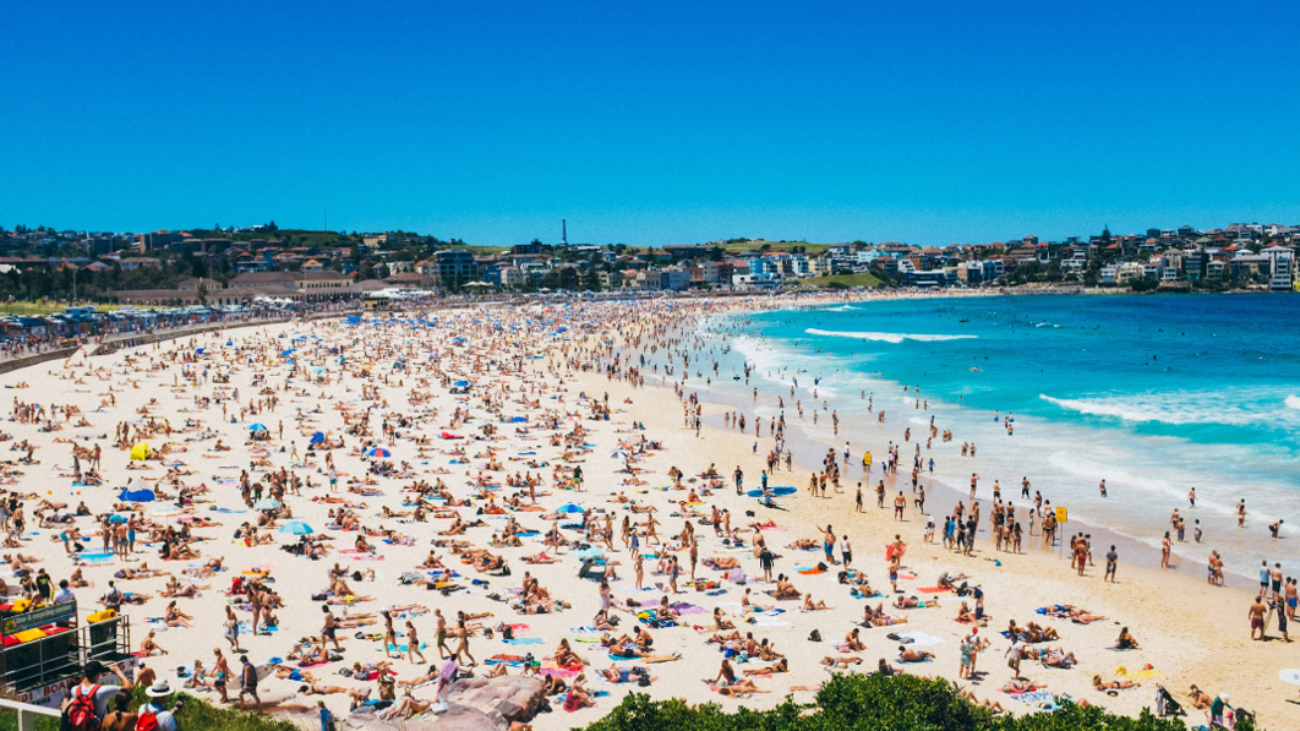
masificación de las playas

Facing the Heat: Spain’s Sun and Beach Tourism in the Age of Climate Change

Welcome to the frontline of climate change, where Spain’s iconic sun-drenched beaches are under threat, and the tourism industry is scrambling to adapt. Picture this: dry showers, swarms of jellyfish, and blistering temperatures soaring to 50ºC at your favorite beach bar. It’s not a dystopian future; it’s the reality Spain faces as it grapples with the profound impacts of the climate crisis on its tourism sector.

The Climate Crisis Hits Home

Spain, like many Mediterranean countries, finds itself at the epicenter of climate change in Europe. Rising temperatures, increasingly severe droughts, and erratic weather patterns are reshaping the landscape, challenging the very essence of sun and beach tourism. According to reports, Valencia recently experienced record-breaking temperatures of almost 31 degrees Celsius in January, setting the stage for potentially scorching summers ahead.

But it’s not just about the heat. The Mediterranean Sea, a playground for beachgoers, is also feeling the burn. Sea temperatures are reaching unprecedented highs, creating ideal conditions for jellyfish blooms that have forced beach closures and disrupted tourist activities along the coast.

Rising Seas and Sinking Shores

The threat isn’t just confined to the sands and surf; it’s creeping inland as well. Sea-level rise in the Mediterranean basin is outpacing projections, with coastal areas of Spain, Italy, and Greece experiencing sinking shorelines. This phenomenon not only exacerbates the risk of flooding but also threatens the very existence of coastal communities and infrastructure.

The Tourism Industry at a Crossroads

In the face of these challenges, the Spanish tourism industry is at a crossroads. With over 84 million tourists flocking to its shores annually, the sector is a vital contributor to the country’s economy, accounting for approximately 12% of the national GDP. However, reports warn that the economic impact of climate change could slash revenues by up to 50%, spelling trouble for an industry already reeling from the effects of the pandemic.

But amid the gloom, there are glimmers of hope. At events like Fitur, Spain’s premier tourism fair, industry leaders are embracing sustainability, environmental responsibility, and climate action as guiding principles for the future. From promoting eco-friendly practices in hotels to extending the tourism season beyond the traditional summer months, there’s a growing recognition that business as usual is no longer an option.

Looking Ahead: Toward a Sustainable Future

As Spain grapples with the realities of a changing climate, there’s a growing consensus that sustainability must become the new standard for tourism. Whether it’s reducing greenhouse gas emissions, conserving natural resources, or educating tourists about their environmental impact, every stakeholder has a role to play in shaping a more resilient and sustainable tourism industry.

So, the next time you bask in the warmth of the Spanish sun or dip your toes in the azure waters of the Mediterranean, remember that the choices we make today will determine the future of one of the world’s most beloved tourist destinations.

It’s time to face the heat, adapt to the challenges, and pave the way for a more sustainable tomorrow.


 

Meanwhile come and enjoy the north of Spain!

A Tapestry of Scenic Beauty

Top Reasons to Buy a House in the North of Spain

Northern Spain lands can be very enchanting, where the green hills meet the vast Atlantic, and the echoes of ancient cultures resonate through charming villages, a unique opportunity awaits. Let’s embark on a journey to uncover the top reasons why buying a house in the North of Spain is not just a real estate transaction but an investment in a lifestyle enriched with culture, natural beauty, and promising economic indicators.

1. A Tapestry of Scenic Beauty

In the region of Galicia, where emerald-green landscapes roll into the horizon and the Cantabrian Sea gently kisses the shore, buying a house is an investment in an ever-changing masterpiece of nature. According to the Spanish National Institute of Statistics (INE), the region’s vast protected areas account for over 30% of the territory, ensuring that these landscapes remain unspoiled for generations to come (1).

2. The Cultural Symphony of the Basque Country

Venture into the Basque Country, a land where traditions are celebrated with fervor, and the language, Euskara, whispers tales of ancient times. With a unique cultural identity, this region stands as a testament to the diversity that is Spain. Statistical data from UNESCO shows the preservation of this cultural richness, as many elements of Basque cultural heritage are inscribed on the Representative List of the Intangible Cultural Heritage of Humanity (2).

3. Culinary Bliss: A Feast for the Senses


Delight your palate with the flavors of the North. In Asturias, where cider flows freely, and in the Basque Country, home to Michelin-starred restaurants, the gastronomic adventure is unparalleled. According to a study by The World’s 50 Best Restaurants, Spain consistently ranks among the top countries with the most awarded restaurants, emphasizing the culinary excellence that awaits you in the North (3).

4. Property Market Stability and Affordability

Investing in the North of Spain not only promises a life of cultural richness but also a stable and affordable real estate market. According to the Spanish property portal Idealista, as of [insert latest date], the average property prices in northern regions such as Galicia and Asturias are notably competitive compared to the national average (4).

5. Tourism Boom: A Lucrative Investment Opportunity

The North’s allure is no secret, attracting tourists seeking an authentic Spanish experience. With over [insert number] million visitors annually, the tourism industry is thriving (5). Owning a property in a tourist hotspot could potentially translate into a lucrative rental income, offering both financial returns and the joy of sharing this captivating region with others.

6. Infrastructural Flourish: Connectivity and Accessibility

Recent investments in infrastructure have enhanced connectivity, making the North of Spain more accessible than ever before. With improved transportation links, including high-speed rail connections and upgraded road networks, the region becomes not just a picturesque retreat but a well-connected home (6).

In conclusion, the decision to buy a house in the North of Spain is not just a transaction; it’s an invitation to immerse yourself in a tapestry of natural wonders, cultural treasures, and economic opportunities. As you consider this journey, let the statistics and data guide you, painting a vivid picture of a life well-lived in the heart of one of Europe’s hidden gems.

Sources:

Spanish National Institute of Statistics (INE), Protected Natural Spaces Statistics.

UNESCO Intangible Cultural Heritage Lists.

The World’s 50 Best Restaurants.

Idealista, Spanish Property Market Analysis.

Spanish Tourism Statistics.

Spanish Ministry of Public Works, Infrastructure Investment Reports.