La Coruna 2

Spanish cities that haven’t been discovered by mass tourism

Spain has many other wonderful cities to discover!


The British are the foreigners who visit our Spain the most, and they normally concentrate in the coastal areas of the east and south of the peninsula, as well as on the islands.

But now many brits have discovered other places where it is not common to see citizens of the United Kingdom enjoying their holidays. The Telegraph newspaper has published an article highlighting the benefits of the Principality of Asturias.

In its headline, the London newspaper jokes that it is the Spanish region that “has everything except British tourists.” “There are beaches, mountains, fascinating cities and it is less hot in summer than in the south and east of the country,” he says.

About the Principality of Asturias, the newspaper, founded in 1855, says that it is “almost as if it had been designed by an ingenious algorithm to keep everyone happy.”

“You don’t have to choose between beach or mountains, or between a city break or an active holiday: this small region in northern Spain has it all,” says the newspaper.

For the Telegraph, “it is not surprising that many Spaniards have a second residence there”, and says that “the only enigma is why so few Britons choose it for their holidays.”

“Traveling through the region, you come across pre-Romanesque churches, but also surprising contemporary architecture; you can walk through spectacular scenery in the hills in the morning and cool off on an idyllic beach in the afternoon,” the text continues.

Although they warn that “it rains more than in the south of the country,” they emphasize that “if you have only experienced the Spain of vacation packages in large resorts, you will feel as if you were in another country.”

The text highlights the three large cities, Oviedo, Gijón and Avilés, which “have very different personalities” but states that “each one has its own charm.” In addition, he recommends visiting other sites such as the Tito Bustillo caves, near Ribadesella; Buxu in Cangas de Onís and La Lluera in San Juan de Priorio.

“Covadonga, in the Picos de Europa, is recognized as the cradle of Christian Spain, since it was here at the beginning of the 8th century where King Pelayo triumphed over the Moors, beginning the reconquest that would take another seven centuries to complete” says the Telegraph.

According to the London newspaper, “Asturias is one of the best gastronomic regions in Spain.”


La Coruña: Where Spain’s North Meets the Atlantic


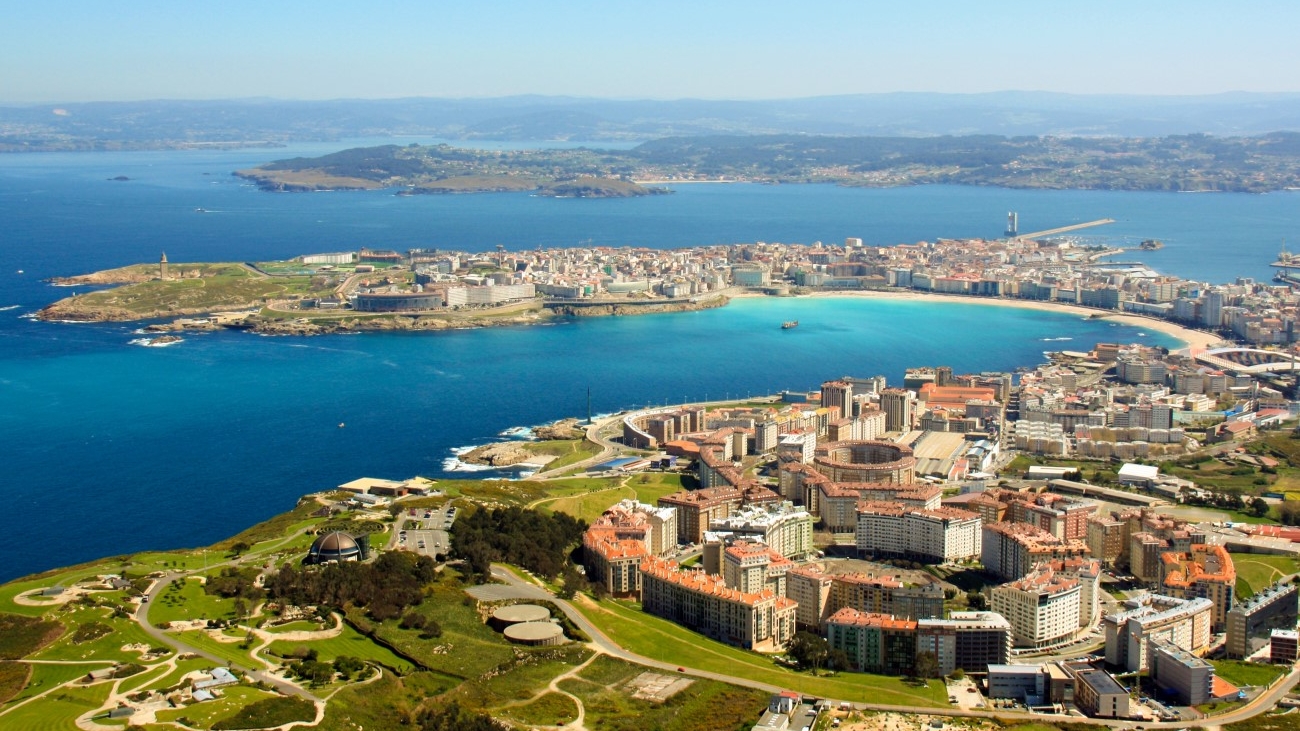
Imagine a breath of fresh air in the northernmost reaches of Spain, where a provincial capital perches on a stunning headland, embraced by vast, sweeping beaches that welcome the mighty Atlantic’s rolling waves (calling all surfers!). This is La Coruña, a city with the spirited charm of a place that thrives on industry rather than tourism, exuding the invigorating brininess of a hardworking harbor town.

For a taste of La Coruña’s legendary passion for football, don’t miss catching a home game at the Riazor stadium when Deportivo La Coruña (lovingly known as “El Depor”) takes to the field. And did you know that Picasso spent part of his childhood here? There’s a captivating trail to follow, from his family home on Calle Payo Gómez to the very shop where a young Pablo held his very first exhibition.

On a Saturday morning, seize the opportunity to explore the vibrant bric-a-brac markets and street fashion havens in the Orzán district, with a vibe reminiscent of Brighton. Afterwards, saunter over to the taverns on Calle Estrella for a hearty plate of pulpo á feira (octopus and potato) accompanied by generous glasses of albariño wine.

La Coruña effortlessly dispels the notion that the north is always grim; in fact, its warm, rough-hewn hospitality might just transport you to a place much further south, where life is lived with gusto and the sea is ever at your side.
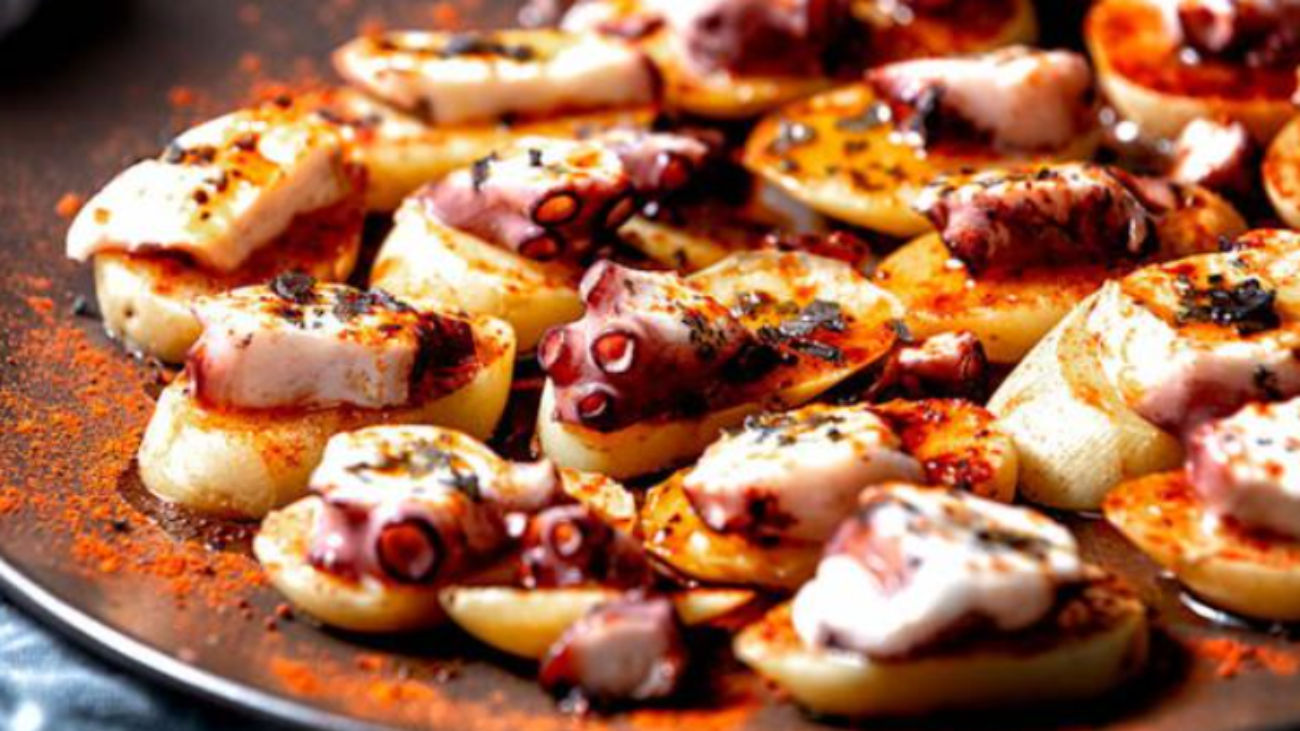

 

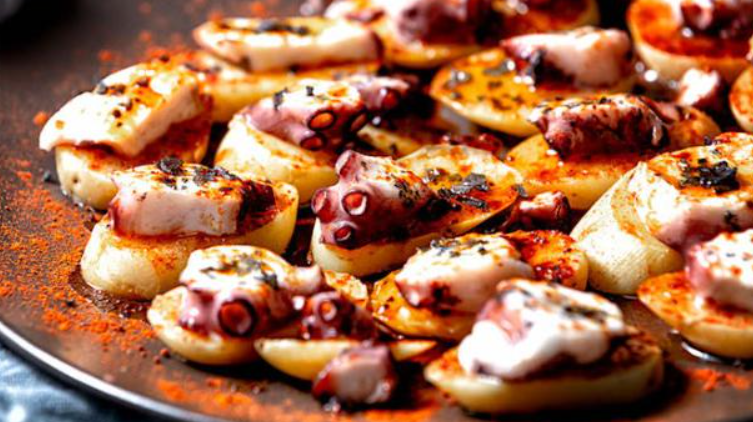
Galician-style octopus

The Spanish city that ‘The Times’ recommends for the quality of its gastronomy at a very good price

The British newspaper names La Coruña as the perfect destination for its excellent restaurants, its cultural offer and the longest promenade in Europe.

Article by Ana MelladoAna Mellado


“Picture a lush, green landscape, where the climate gracefully dances with change, and the faint echo of bagpipes adds a touch of magic to the atmosphere. This is La Coruña, a gem nestled in Celtic Galicia, and it feels like a world apart from the Spain you’re familiar with. Steeped in maritime history, this ancient port city lives in perfect harmony with the mighty Atlantic that embraces it. You’ll spot the ocean’s influence in every nook and cranny, from the delectable seafood to those sturdy glass balconies, built to brave all sorts of weather.

Recently, Kirsten Jenton’s enchanting article in The Times’ Travel section captured the essence of this Galician haven. She couldn’t help but praise the city, highlighting it as the ultimate weekend destination. Kirsten underscored La Coruña’s culinary delights, where you can savor top-notch dishes without breaking the bank, and its rich cultural scene.

As we delve into the past, we find that La Coruña has been a gateway to a world in perpetual expansion for centuries, welcoming sailors, pilgrims, and merchants from afar. Today, this city masterfully combines its history with vibrant festivals, captivating museums, and a plethora of budget-friendly restaurants. It’s the perfect recipe for an urban escape like no other.”

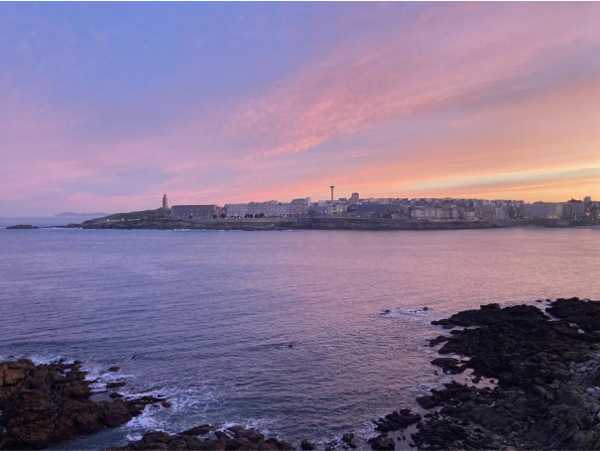
View of the Tower of Hercules from the Ensenada del Orzán


In the “What to Do” section, our friendly guide has lined up six exciting activities that promise a memorable La Coruña experience. Let’s dive right in!

First on the list, the must-visit is the Tower of Hercules, the world’s oldest Roman lighthouse, still standing tall and shining its light. And, because we English folks appreciate our brews, our guide seamlessly introduces beer into the mix. They suggest a visit to the Estrella Galicia Museum, where you can unravel the secrets of the perfect pint and dive into the fascinating history of this family business, born in 1906. Don’t miss the tasting with cheese pairing; it’s an absolute delight.

Now, if you’re up for a little adventure and a dash of alcohol (in moderation, of course), it’s time for an electric bike ride along Europe’s longest promenade. Take a pit stop at the charming O Parrote port before pedaling your way to the serene Praia das Lapas and the sandy arc of Orzán Beach.

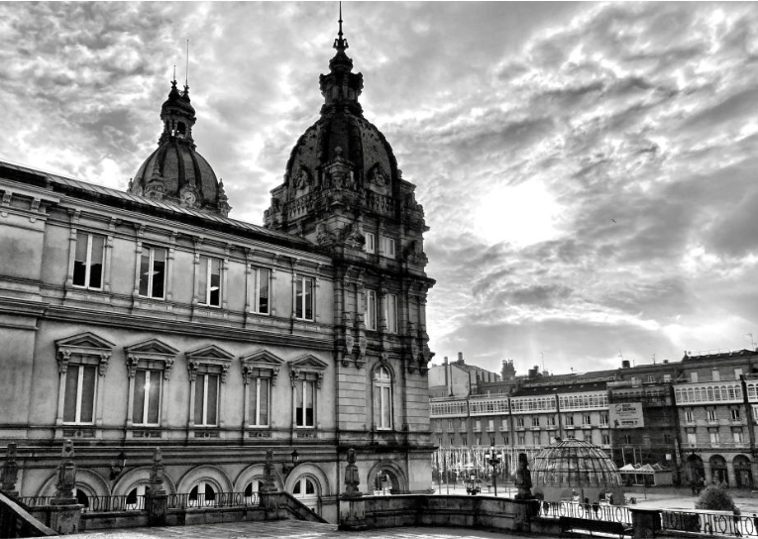
The journey continues with a visit to the Picasso Museum, coinciding with the 50th anniversary of the artist’s passing. Up next is the Monte de San Pedro viewpoint and a stroll in the lively María Pita square, where you’ll uncover the maritime connections between Great Britain and La Coruña. Not too far away, nestled in the gardens of San Carlos, you’ll find the mausoleum of Sir John Moore, a British army officer who met his end during the Battle of Elviña in 1809.

Maria Pita Square

Now, let’s talk about the coolest neighborhood, shall we? Galera Street is the place to be, brimming with bars and restaurants. Here, you can savor delectable scallops, mussels, clams, and for those feeling a bit fancy, barnacles. For a quick, delightful bite, our guide recommends La Cervecería, situated right where the first Estrella Galicia beer factory was born. Enjoy your beer alongside some Padrón peppers and bravas. Taberna Os Tigres is the go-to for an albariño and razor clams, while Barbería offers a cozy, dimly lit atmosphere for savoring some excellent octopus.


Galician-style octopus

When it comes to dining, our guide suggests two fantastic options. El de Alberto takes Galician products and adds a modern twist, so be sure to try their tasting menu. And then there’s Árbore da Veira, boasting a Michelin star and serving up dishes as exquisite as the panoramic views of the sea and the city.

Before you wrap up your day, cap it off with a delicious cocktail at Bordello Parlor, where they serve up liquid gastronomy that tantalizes all five senses.

Cheers to an unforgettable La Coruña experience!